Local-first debugging bundles for private and air-gapped incident work
How local-first debugging bundles let teams capture, process, inspect, and hand incidents to agents without depending on DebugBundle Cloud.

By Owen Far
Blog · Page 2 of 3
Practical notes on production debugging, SDKs, product analytics, and the decisions behind DebugBundle.
How local-first debugging bundles let teams capture, process, inspect, and hand incidents to agents without depending on DebugBundle Cloud.
By Owen Far
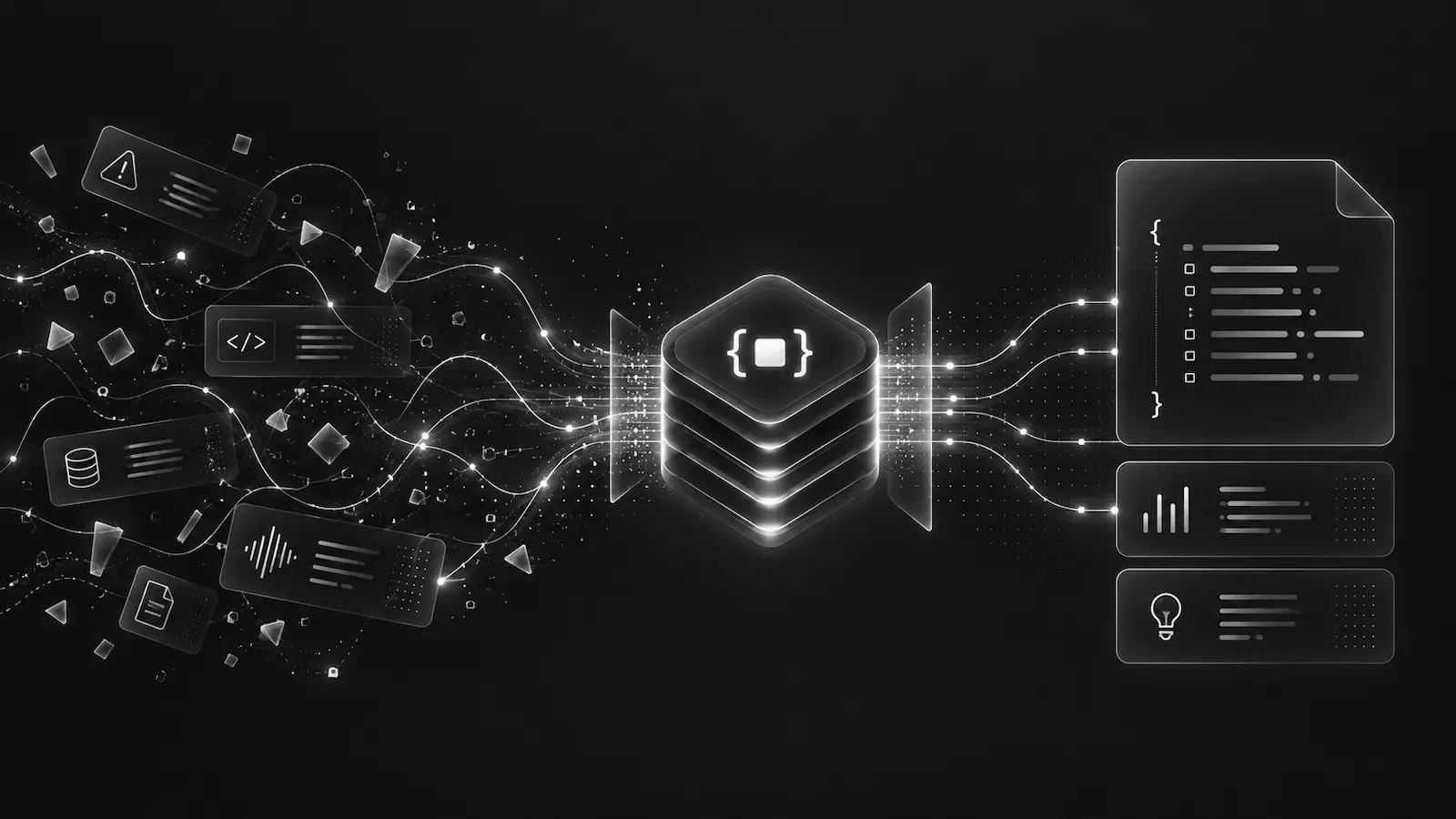
See how a debug bundle packages a production error, request, logs, and release context into structured evidence a coding agent can inspect.
By Owen Far

How DebugBundle MCP tools let AI agents list incidents, fetch bundles, retrieve reproductions, analyze context, manage probes, and resolve incidents.
By Owen Far

Use the DebugBundle WordPress plugin to capture backend PHP errors, frontend browser exceptions, breadcrumbs, and same-origin relay events.
By Owen Far

Capture React Native errors, error boundaries, navigation breadcrumbs, fetch and XHR failures, Expo development builds, native queues, and probes.
By Owen Far

Capture iOS and iPadOS incidents with SwiftUI and UIKit breadcrumbs, URLSession and Alamofire traces, SwiftLog, offline queues, and crash replay.
By Owen Far

Use the DebugBundle Android SDK for Kotlin crash replay, ANR and process-exit signals, OkHttp, Ktor, Navigation, Compose, Timber, and probes.
By Owen Far

Capture Ruby and Rails production incidents, Rack request context, Sidekiq job failures, logs, probes, and browser relay events.
By Owen Far

Capture Go production errors, 5xx request events, structured logs, probes, and browser relay data with the DebugBundle Go SDK.
By Owen Far

Use the DebugBundle .NET SDK to capture ASP.NET Core requests, worker operations, logs, gRPC, Hangfire, and Azure Functions incidents.
By Owen Far